Citizens Liberation Advocacy Initiative (CLAI) is launching a phased 2026–2027 Civic Learning Series to bring practical, nonpartisan civic education closer to citizens and communities. The series is intended for eligible voters, first-time voters, community volunteers, women’s groups, persons with disabilities, young people, and anyone who wants a clearer understanding of democratic participation in Nigeria.
The programme responds to a simple need: citizens should be able to find trustworthy electoral information, understand their rights and responsibilities, participate without fear or violence, and continue asking constructive questions after elections. Election periods often produce a rush of messages, promises, rumours, and competing claims. The Civic Learning Series will slow that process down and create space for careful learning and respectful discussion.
What the series will cover
Sessions are planned around five practical learning areas. The first is voter readiness: knowing where to look for current official guidance, checking personal information through authorised channels, and planning ahead for election-day participation. The second is information literacy, including how to test a claim before sharing it and how to distinguish evidence from opinion or manipulated content.
The third area is voters’ rights and peaceful participation. Participants will discuss lawful, respectful ways to raise concerns and why intimidation, hate speech, vote trading, and political violence weaken every community. A fourth module will focus on inclusive participation and the barriers faced by women, young people, older citizens, and persons with disabilities. The fifth will look beyond election day to citizen accountability: tracking public commitments, following public information, and engaging representatives around community priorities.
A participatory format
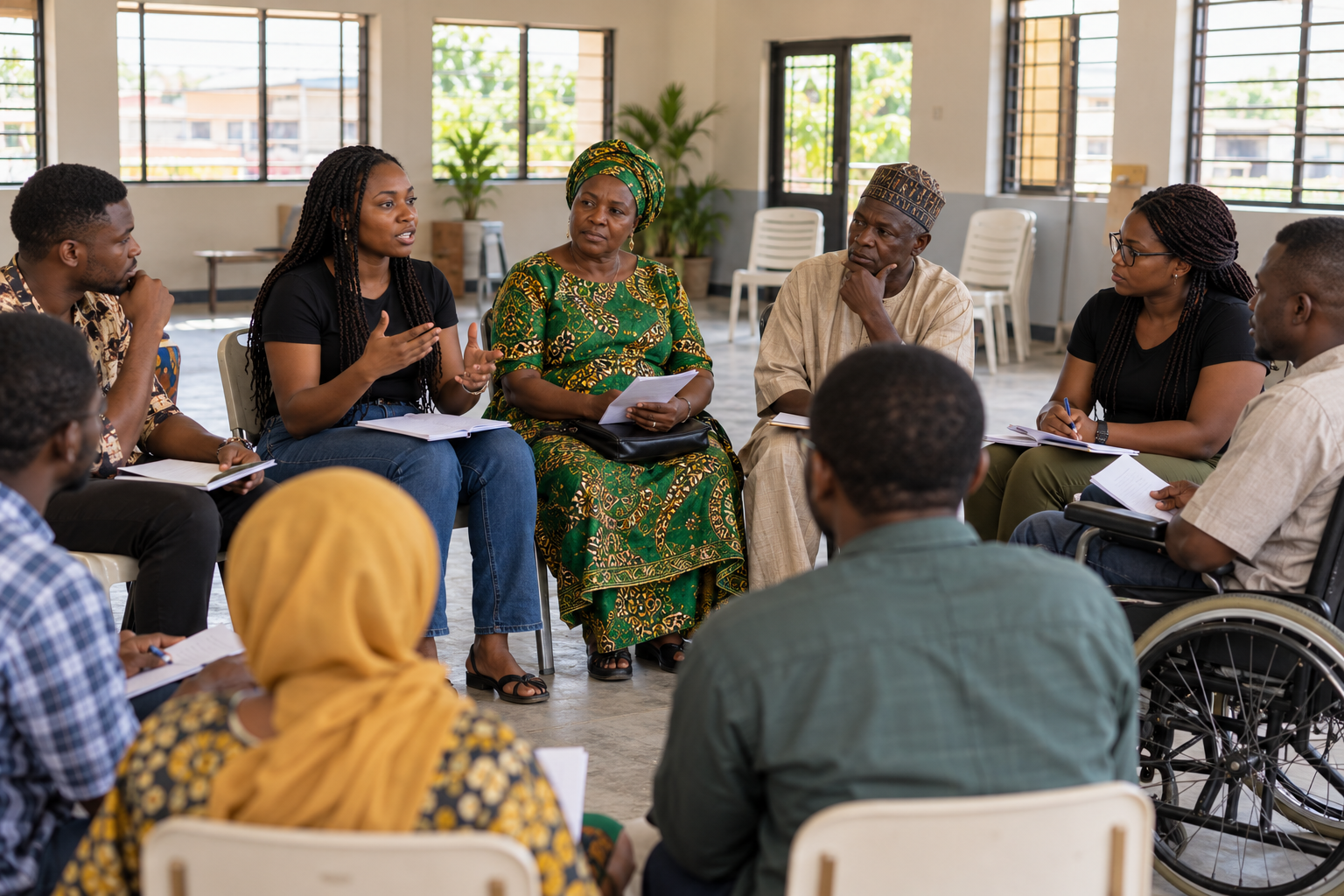
The series is designed as a learning conversation rather than a political rally. Activities may include small-group discussions, scenario exercises, question-and-answer sessions, source-checking demonstrations, and take-home civic learning materials. CLAI will keep the content issue-based and nonpartisan. The programme will not tell participants which party or candidate to support, and campaign activity will not form part of a learning session.
CLAI also intends to build accessibility into programme planning. That means considering step-free venues where possible, clear spoken and written information, reasonable time for questions, and advance communication about participation support. Community hosts and participants will be encouraged to identify local accessibility needs early so that practical arrangements can be improved.
How citizens can take part
The first phase will gather expressions of interest from prospective participants, volunteers, community conveners, and facilitators. Locations, dates, capacity, and registration details will be announced only after arrangements are confirmed. Submitting an expression of interest will not guarantee a place at a particular session, but it will help CLAI understand where the demand for civic learning is strongest.
Citizens who join the series should expect respectful ground rules: listen to differing views, challenge ideas without attacking people, protect personal information, use credible sources, and reject violence or discrimination. These habits are not limited to an election season. They help communities discuss difficult questions and pursue public accountability throughout the democratic cycle.
CLAI’s message is straightforward: an informed voter is an empowered citizen. The 2026–2027 Civic Learning Series is an invitation to learn, engage, and turn reliable information into peaceful participation. Further scheduling and registration updates will be published through CLAI’s official website and contact channels when available.